Introduction
Carbon sequestration and biofuels are important concepts in mitigating climate change and promoting sustainability. This article will discuss their significance in the current environmental context.
Historical Background
The history of carbon sequestration and biofuels dates back several decades. Carbon sequestration gained attention in the 1970s as a potential solution to combat climate change. Biofuels emerged as an alternative to fossil fuels in the 19th century and have gained prominence in recent years due to concerns over greenhouse gas emissions.
Key Concepts and Definitions
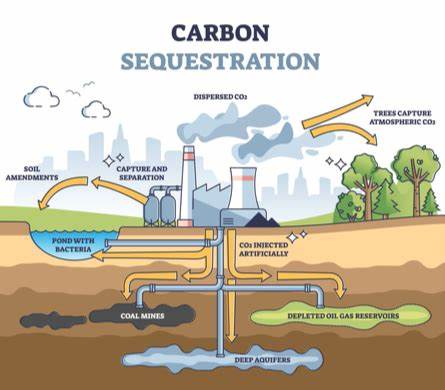
Carbon sequestration involves capturing carbon dioxide from various sources and storing it underground or in long-term storage locations. Biofuels are renewable fuels derived from organic matter through processes like fermentation or distillation. Biofuels can contribute to carbon sequestration by using plants that absorb CO2 during their growth.
Main Discussion Points
Point: The process of carbon sequestration
Carbon sequestration involves various methods such as geological storage, ocean storage, and terrestrial storage. Geological storage injects carbon dioxide deep underground into geological formations. Ocean storage captures and stores carbon dioxide in deep ocean waters. Terrestrial storage focuses on enhancing carbon storage in forests, grasslands, and agricultural soils. Plants and trees play a crucial role in carbon sequestration by absorbing carbon dioxide during photosynthesis.
Point: Biofuels as a sustainable alternative to fossil fuels
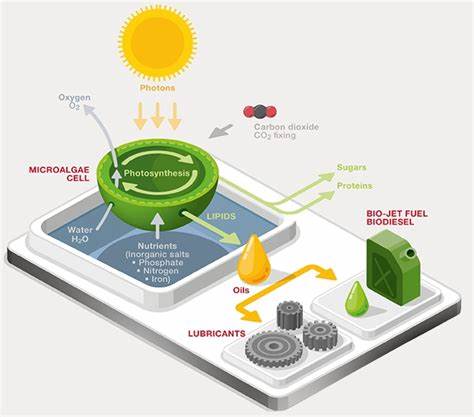
Biofuels offer a sustainable alternative to fossil fuels by reducing greenhouse gas emissions. The production process involves converting biomass into liquid fuels. Ethanol and biodiesel are commonly produced types of biofuels. Ethanol is primarily used as a blending agent with gasoline, while biodiesel is produced from vegetable oils or animal fats and can be used directly or blended with diesel fuel.
Point: Environmental benefits of carbon sequestration and biofuels
Carbon sequestration significantly reduces greenhouse gas emissions, helping to mitigate climate change. Biofuels also contribute to reducing carbon emissions and diversifying energy sources. The cultivation of feedstocks for biofuel production enhances carbon sequestration by promoting the growth of plants that absorb carbon dioxide.

Case Studies or Examples
Real-world examples of carbon sequestration projects include the Sleipner and Snøhvit projects in Norway. The Sleipner project injects carbon dioxide from natural gas production into an underground reservoir, while the Snøhvit project captures and stores carbon dioxide from a natural gas liquefaction plant. The aviation industry has successfully implemented biofuels, reducing carbon emissions and contributing to a more sustainable sector.
Current Trends or Developments
Recent advancements in carbon sequestration technologies include the development of direct air capture (DAC) systems that capture carbon dioxide directly from the atmosphere. New research focuses on improving biofuel production and efficiency, exploring new feedstock options, and reducing the impact on food production.
Challenges or Controversies
Implementing carbon sequestration projects faces challenges such as high costs, technical feasibility, and public acceptance. The use of biofuels has sparked controversies, particularly the food vs. fuel debate, with concerns about competition with food production and potential food price increases.
Future Outlook
Increased investment in research and development can lead to more efficient and cost-effective carbon sequestration technologies. Advancements in biofuel production can help achieve carbon neutrality in various sectors, including transportation and aviation.
Conclusion
Carbon sequestration and biofuels are vital tools in addressing climate change and promoting sustainability. Carbon sequestration reduces greenhouse gas emissions, while biofuels offer a renewable and cleaner alternative to fossil fuels. Integrating these concepts can contribute significantly to a more sustainable future.
References
Smith, P., et al. (2016). Biophysical and economic limits to negative CO2 emissions. Nature Climate Change, 6(1), 42-50.
Spatari, S., et al. (2010). Special issue on the environmental sustainability of biofuels. Environmental Science & Technology, 44(13), 4895-4896.
Zeng, N. (2008). Carbon sequestration via wood burial. Carbon Balance and Management, 3(1), 1-7.